
Cranes For Rent
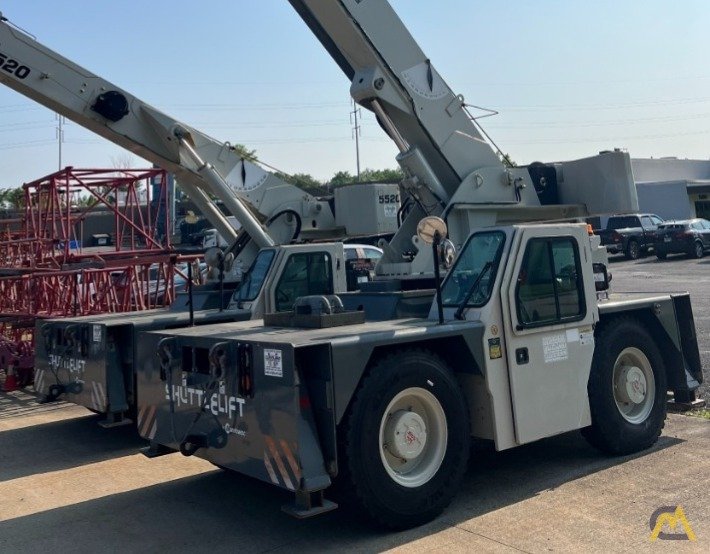
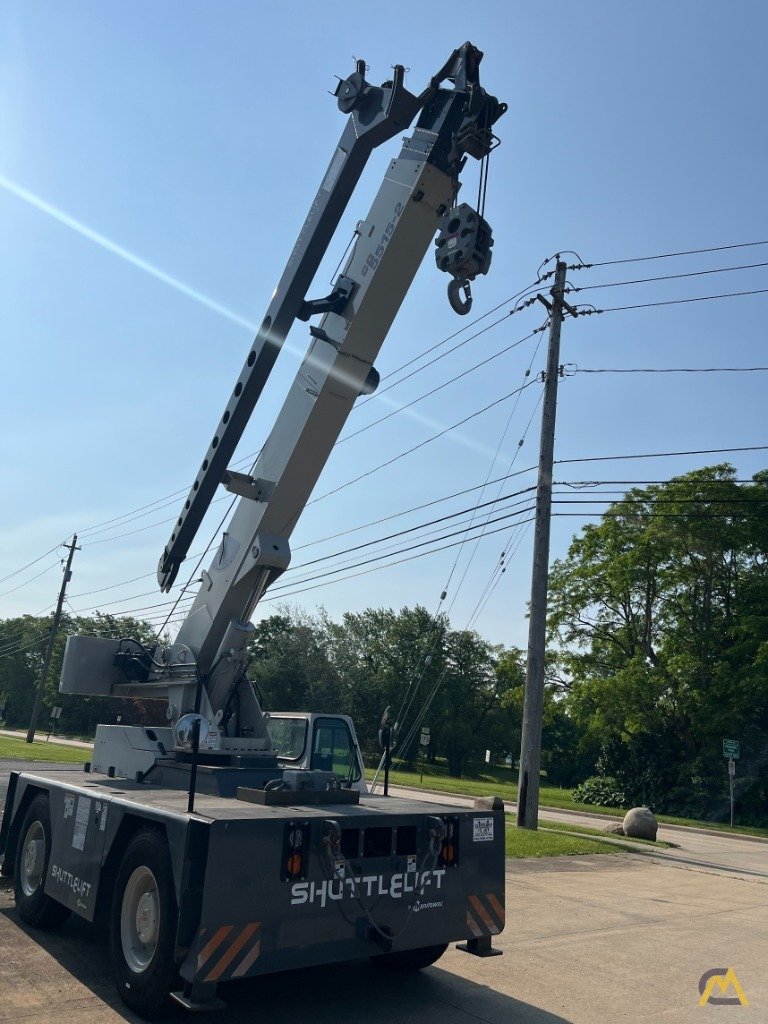
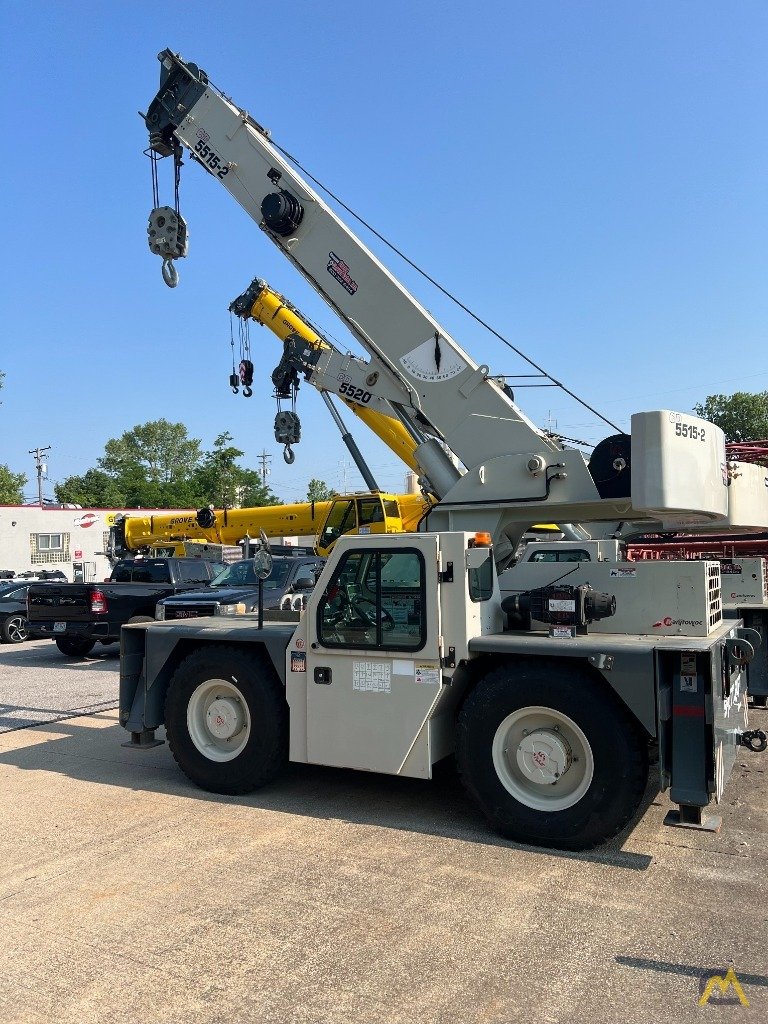
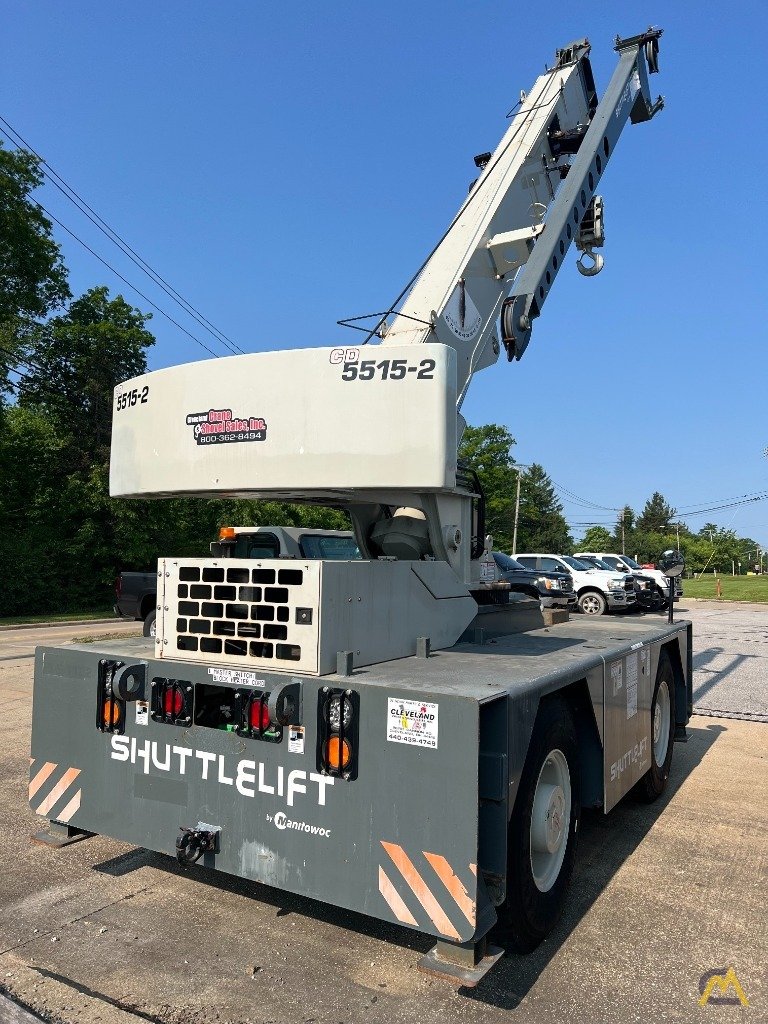
Shuttlelift CD5515-2 Industrial Carry Deck Crane
€1,000.00
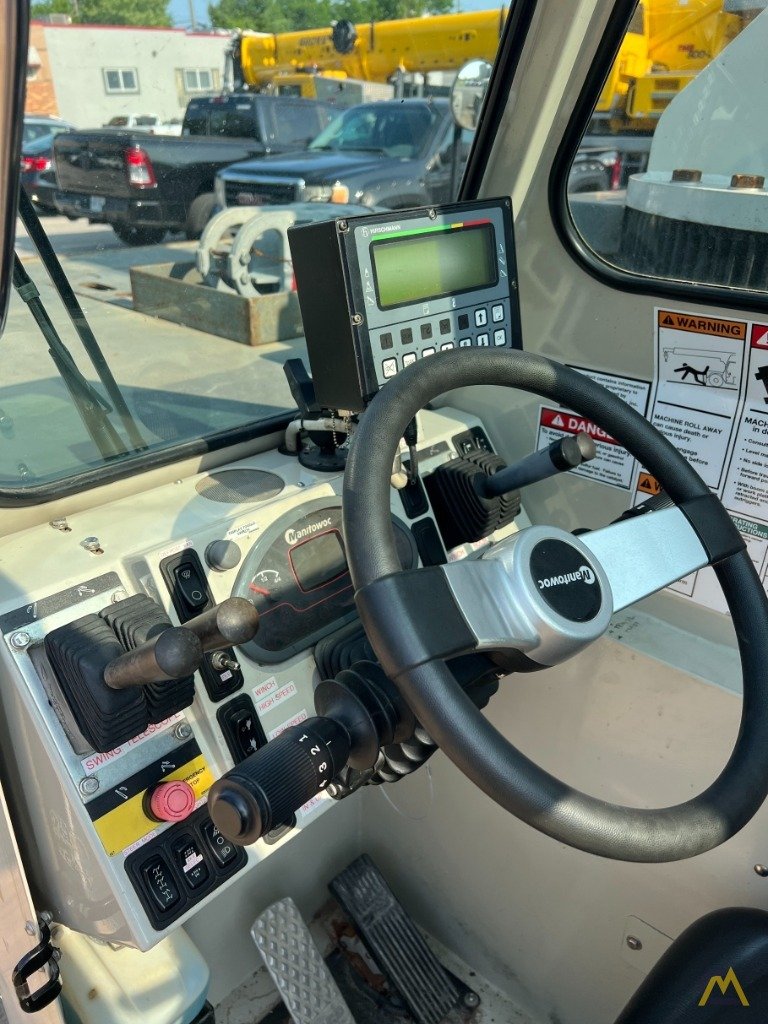
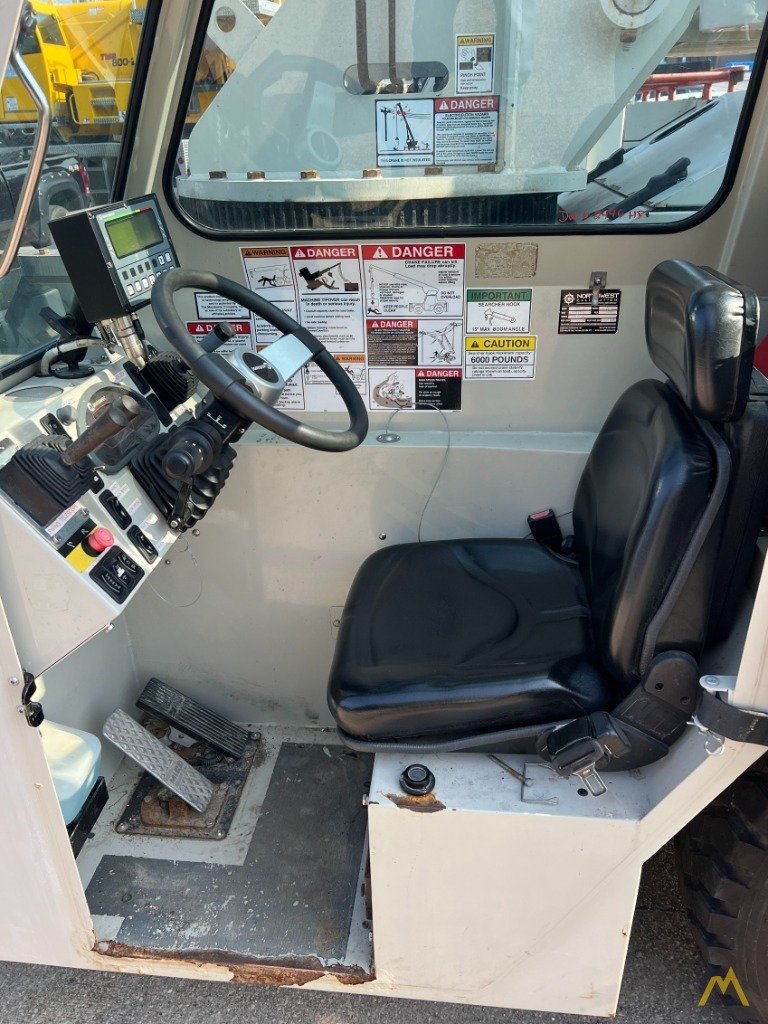
2014 Shuttlelift CD5515-2
15 Ton Carry-Deck
S/N: 322265
- 41′ 3 Section FPB
- 2070 Hrs.
- Cummins Diesel
- 4 Speed Transmission
- 15′ Fixed Swing-a-Way
- Enclosed Cab w/ Heat & A/C
- Two & Four Wheel Steering
- Block & Ball
- Searcher Hook Kit for Low Headroom Work
- OSHA Certified





Ralfs Vilciņš –
We were looking for a compact crane for equipment installation inside an industrial facility, where overhead clearance and manoeuvrability were major considerations. The Shuttlelift CD5515-2 stood out because its carry-deck design combines a telescopic boom with a deck for moving materials around suitable work areas. Its rated maximum capacity is 15 US tons, but we knew that the actual allowable lift would depend on boom length, radius and operating conditions.
Our rental planning therefore focused on the dimensions of the work area, floor loading limits, access routes and the components to be lifted. We also wanted to coordinate delivery and collection around the facility’s operating schedule. Confirming these details before the rental period would help minimise disruption and ensure the crane was appropriate for the planned task.
Lāsma Dzenīte –
Our project required moving heavy components between designated work areas, and we wanted to explore a carry-deck crane rental rather than plan around several separate handling arrangements. The Shuttlelift CD5515-2 offers a load deck as well as a telescopic boom, which makes it worth considering for compatible industrial tasks. We focused our planning on the dimensions and weight of each component, the route through the facility and the clearances around the installation points. We also needed to establish whether the floor could support the crane and its loads. Another consideration was the rental period: the crane needed to be available when the receiving team and installation equipment were ready. These details would need to be confirmed before booking, but identifying them early gave us a clearer picture of how the hire could fit into the work plan.
Ilze Pārupe –
We needed lifting equipment for a specialist industrial task and wanted to compare options based on the actual work rather than maximum capacity alone. The Shuttlelift CD5515-2 has a published maximum capacity of 15 US tons and a standard boom of approximately 41 feet, with an optional boom configuration reaching 50 feet.
Those specifications provided a starting point, but we still needed to check the load chart, working radius, component dimensions and available clearance. We also considered whether the load deck could assist with the material-handling portion of the job, subject to the manufacturer’s limits. Rental timing, site access and transport logistics were additional factors in our assessment. For anyone considering this crane, I would recommend providing detailed lifting information and confirming the operating requirements before agreeing on a rental date.
Madara Lūsēna –
Our installation project involved positioning machinery and supporting components in a busy workshop. We needed to consider a crane that could handle the planned lifts while working within the available space. The Shuttlelift CD5515-2 was one option we evaluated because its compact carry-deck arrangement is intended for industrial material handling. We discussed the hire duration, delivery arrangements and the sequence in which equipment would need to be moved. Before confirming a rental, we would also verify the load weights, lifting radius, floor capacity and clearances along the intended route. These checks matter when operating inside an existing building, particularly where other machinery and personnel may be nearby. Careful scheduling would allow the installation crew to prepare the area and coordinate the lifting operation with fewer interruptions to normal work.
Zigmārs Kļaviņš –
Our site had several contractors working to the same programme, so we needed to plan the crane rental around deliveries, installation work and access for other vehicles. The Shuttlelift CD5515-2 was considered for a material-handling task where its carry-deck configuration might be useful. We wanted to establish the expected hire period, delivery arrangements and the order in which lifting activities would take place. We also needed to confirm the loads, required reach and the surface conditions where the crane would operate. These details affect both equipment suitability and the safe organisation of the work area. A clear schedule would allow other contractors to plan around the lifting operation instead of competing for the same space. Before proceeding, we would confirm the crane configuration, operator requirements and rental terms with the supplier.
Nauris Blūms –
The working area on our project was limited, which meant that crane dimensions and manoeuvring space were just as important as lifting capacity. We considered the Shuttlelift CD5515-2 because carry-deck cranes are designed for material handling in compact industrial environments. Our rental enquiry included questions about access width, overhead obstructions, turning space and the position where the crane would perform each lift. We also wanted to know how transport and delivery would be coordinated with our site schedule. Before using the crane, the intended load, boom configuration, working radius and permitted operating conditions would need to be checked against the relevant documentation. The key lesson for us was that a compact crane still requires careful planning. Sharing accurate site measurements and lifting details early would help determine whether the equipment is suitable.
Edvīns Rozenfelds –
We were assessing crane hire for a planned maintenance shutdown at an industrial site. The available working window was limited, so we wanted to understand the rental arrangements well before the shutdown began. Our enquiry about the Shuttlelift CD5515-2 focused on the lifting task, required working radius, access conditions and how long the crane would be needed. Its carry-deck layout could be useful for certain material-handling tasks, but we recognised that suitability would depend on the specific load and the available operating space. We also considered whether the delivery and collection schedule could fit around other maintenance activities. Having the work sequence and site requirements documented in advance would help the team prepare. For similar projects, I would recommend confirming the equipment configuration, operator arrangements and safety requirements before setting a final start date.