
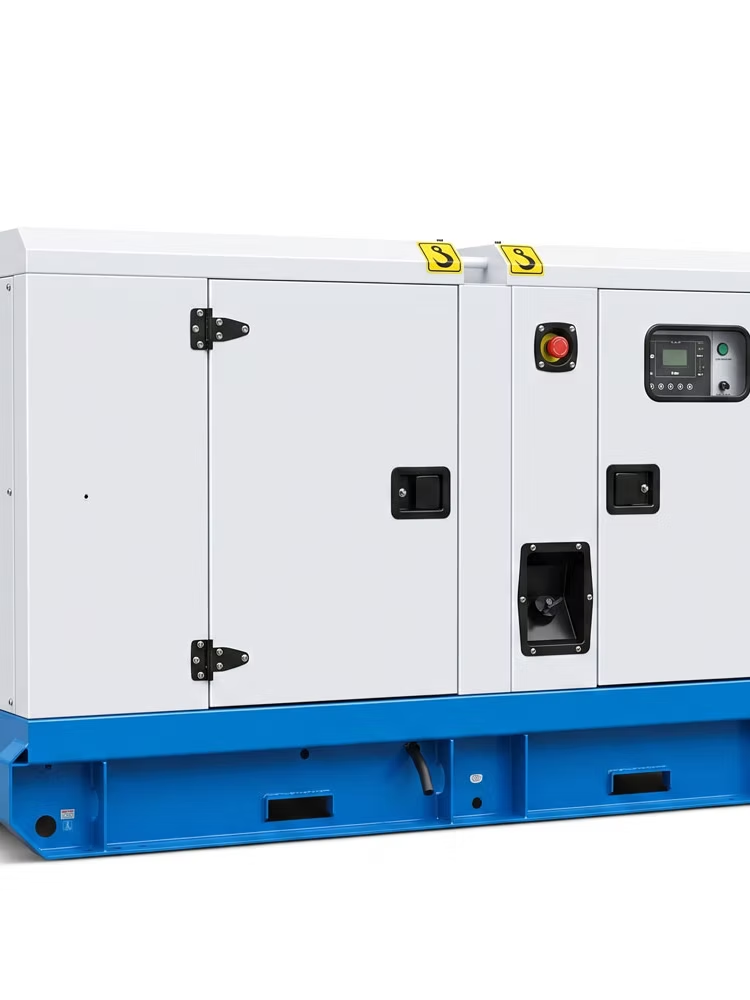
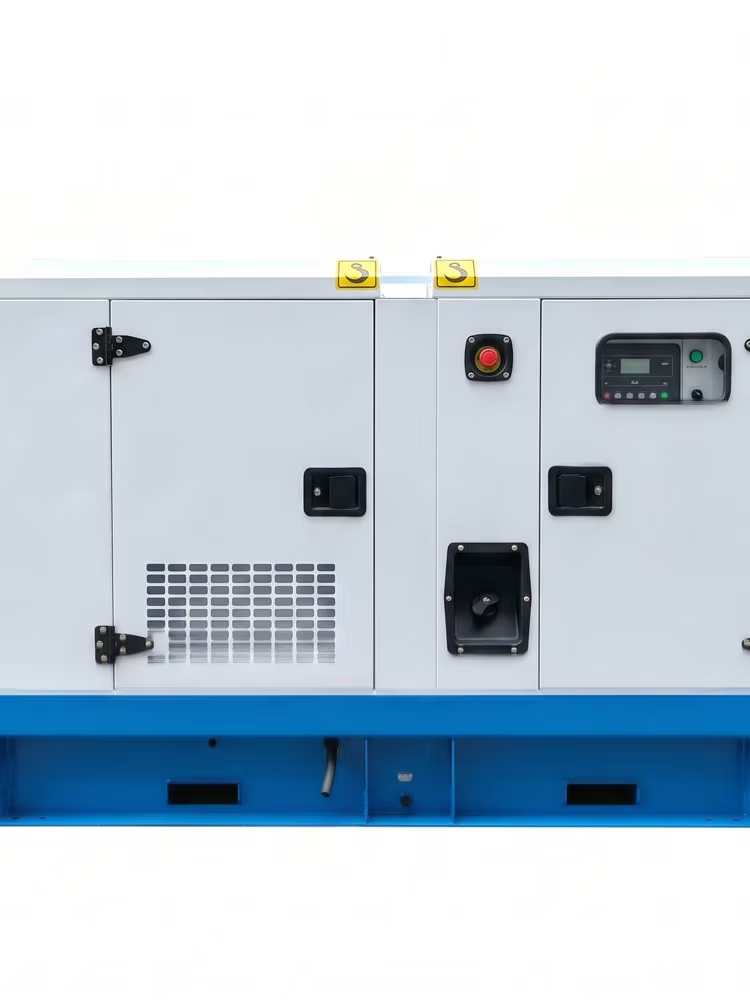
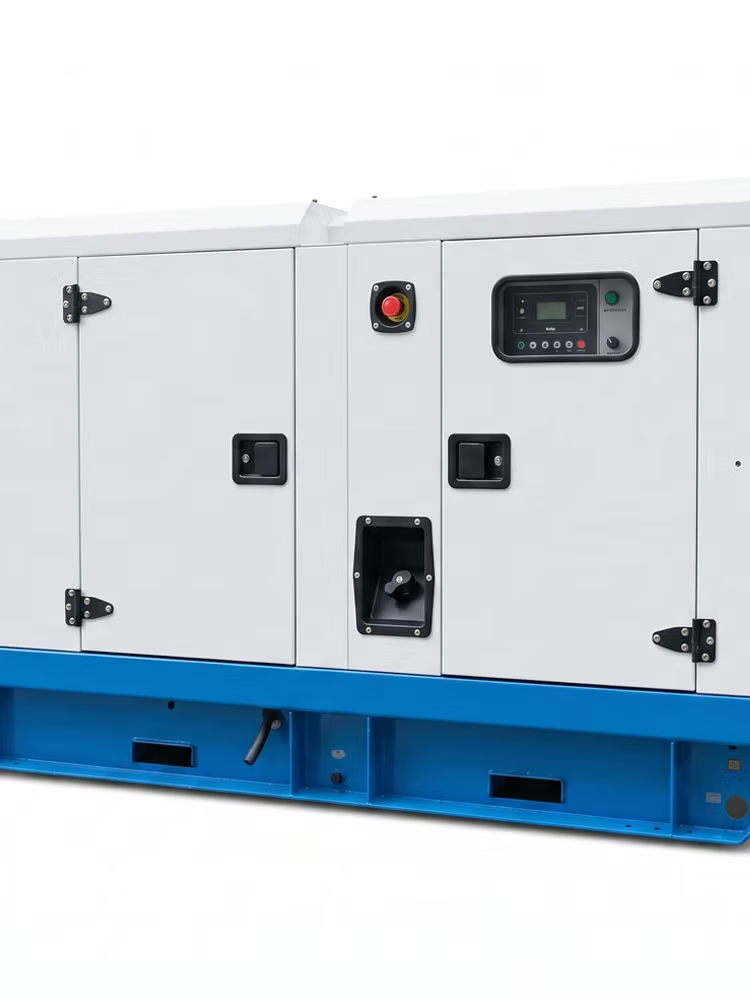
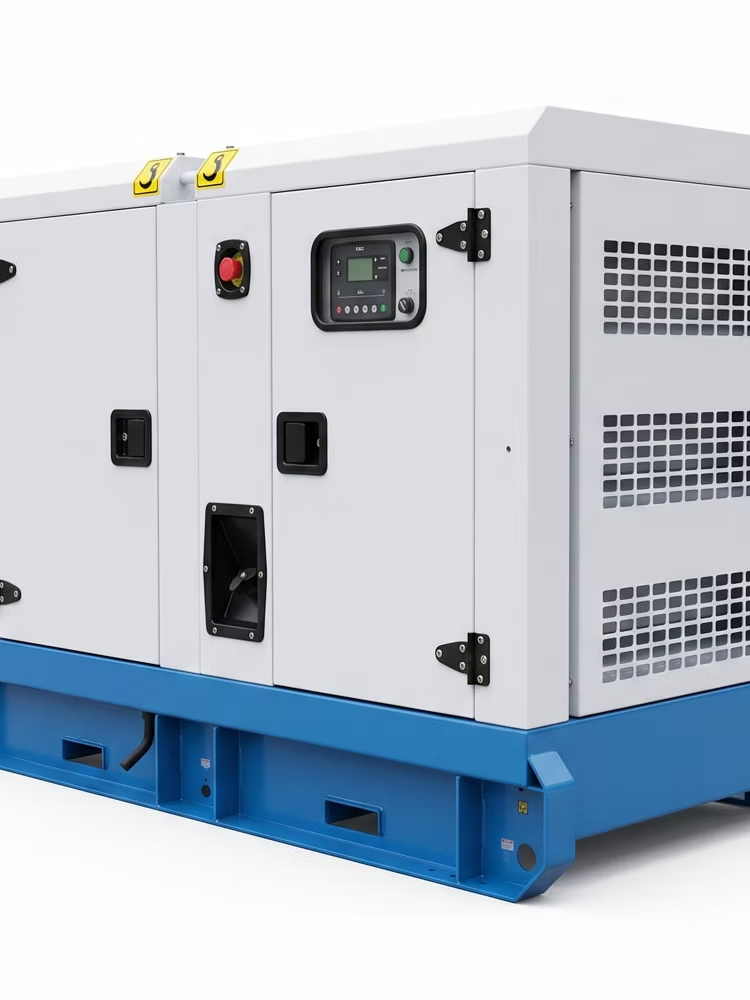
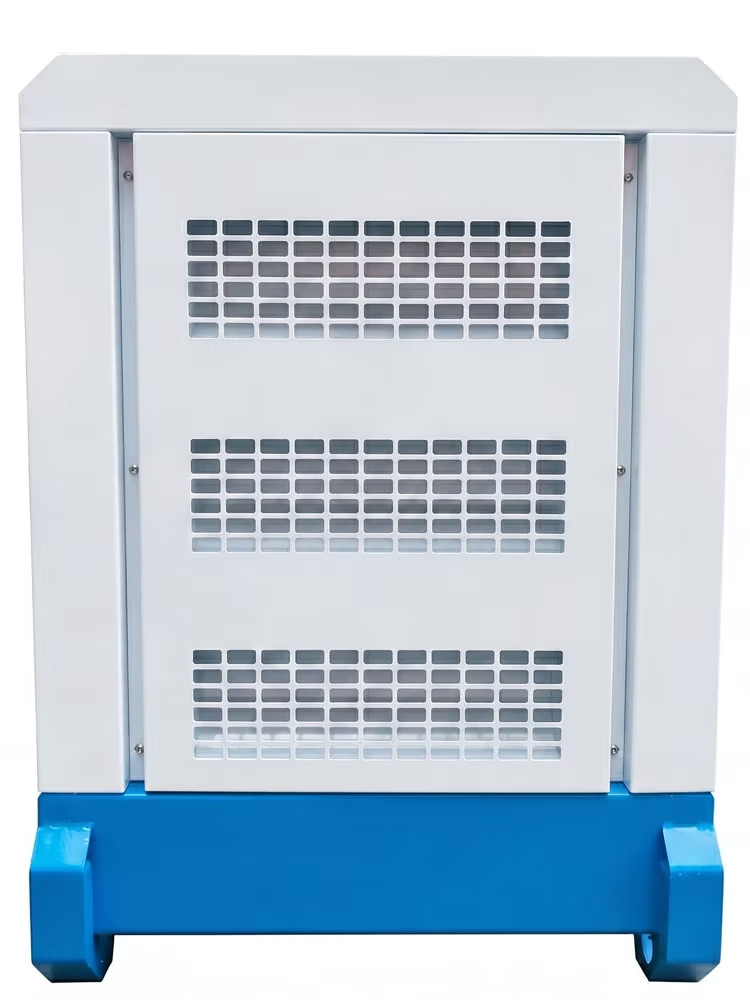
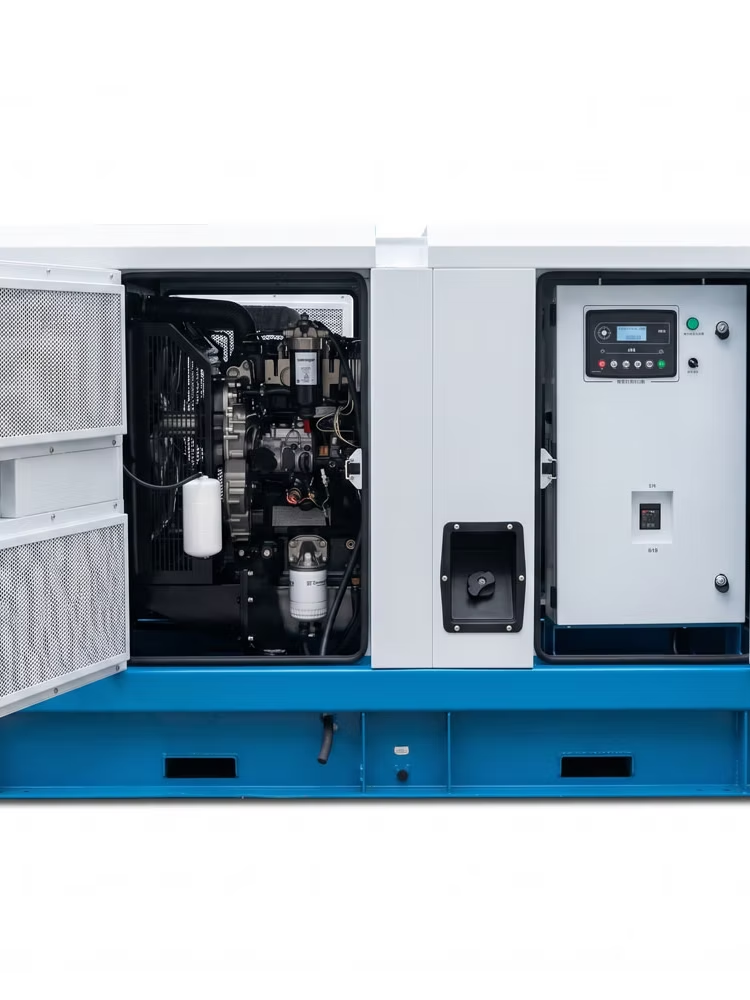
The Compact Diesel Generator gives businesses, workshops, construction teams, warehouses, and industrial users a practical source of dependable electrical power without requiring excessive installation space. Its compact enclosure combines strong diesel performance with quieter operation, making it suitable for sites where space and noise levels both matter.
Three-phase output supports commercial and industrial equipment such as motors, pumps, HVAC systems, machinery, tools, compressors, and processing equipment.
Silent Operation
The enclosed design helps reduce engine noise while protecting internal components from dust, debris, and demanding site conditions.
A Low Noise Generator works especially well near offices, workshops, residential developments, commercial premises, events, and job sites where users need dependable electricity without excessive sound.
Key Features
| Feature | Details |
|---|---|
| Generator Type | Silent Diesel |
| Design | Compact Enclosed Unit |
| Phase | Three Phase |
| Fuel | Diesel |
| Voltage Regulation | Available |
| Noise Reduction | Enclosed Canopy |
| Cooling | Model Dependent |
| Protection | Overload / Low Oil Options |
| Applications | Industrial and Commercial |
| Backup Use | Standby / Emergency Power |
Industrial Performance
The Compact Diesel Generator supports continuous or standby power requirements for businesses that need a smaller footprint without sacrificing dependable electrical output.
A Three Phase Power Unit can run industrial loads more efficiently than many single-phase systems when equipment requires three-phase electricity.
Backup Capability
An Industrial Backup System helps businesses reduce downtime during utility failures, remote operations, site work, maintenance activities, or emergency conditions.
The compact enclosure also makes transportation and positioning easier when compared with larger generator sets.
Flexible Applications
This system works well for manufacturing facilities, construction projects, farms, warehouses, telecom sites, workshops, logistics operations, retail facilities, and commercial buildings.
Worldwide Container Supply offers power solutions for industrial and commercial customers. Contact us for available power ratings, voltage, frequency, phase configuration, dimensions, fuel consumption, control options, pricing, accessories, and worldwide delivery information.



Saskia van der Meer –
A compact silent diesel generator can be a practical option for businesses that require three-phase electricity without excessive operating noise. When considering this model, I would want to understand its continuous and standby power ratings, fuel consumption, enclosure design, and operating voltage. It is also important to establish whether the generator can support the equipment that will be connected to it, particularly machinery with high starting currents. I would ask for details about routine servicing, warranty conditions, and the availability of technical support before confirming an order. Delivery coordination is another important consideration for industrial equipment. A clear specification sheet and a detailed quotation help buyers compare their options and prepare appropriately for installation.
Émilie Caron –
When selecting an industrial generator, I consider both electrical performance and the practical requirements of operating the equipment over time. A compact silent diesel model with three-phase output may be suitable for certain commercial applications, provided its specifications match the site’s load requirements. I would request details about rated power, voltage, frequency, fuel consumption, control features, and noise output. Information about the enclosure’s weather protection and access for maintenance would also be useful. Before confirming a purchase, I would ask about warranty coverage, recommended servicing intervals, spare parts, and delivery arrangements. Receiving clear documentation helps customers plan the installation and identify any additional electrical equipment or site preparation that may be necessary.
Luca Bernardi –
I would consider a compact silent diesel generator for applications where three-phase power is needed and space is limited. Before choosing this unit, I would compare its rated output with the combined demand of the equipment expected to run simultaneously. Starting currents, voltage stability, fuel consumption, and operating frequency would all need to be checked. I would also want to know whether the generator includes an automatic transfer switch, battery, and other accessories, rather than assuming these are part of the standard package. Good communication about the specification, warranty, and dispatch schedule makes purchasing industrial equipment easier to organize. Confirming the electrical requirements with a qualified installer before delivery would also help prepare the site safely.
Maja Kristensen –
For businesses that depend on electrical equipment, generator selection should begin with a realistic assessment of power demand and operating conditions. The Compact Silent Diesel Generator is worth investigating for facilities requiring three-phase electricity, but I would first confirm the rated output, voltage, frequency, fuel capacity, and noise specifications. Maintenance access and the availability of service parts are also important, especially for equipment expected to operate regularly. I would ask the supplier for technical documentation and written confirmation of the generator’s configuration, including which accessories are supplied. Delivery arrangements and installation requirements should be clarified before ordering. A thorough review of these details helps businesses make an informed decision and plan for safe, reliable operation.
Hamish Robertson –
For a workshop or commercial facility, choosing the right three-phase generator starts with understanding the site’s electrical demand. I would evaluate the Compact Silent Diesel Generator by reviewing its rated output, voltage and frequency options, fuel requirements, and expected operating conditions. Noise reduction is another useful feature, especially where the generator may operate near staff, neighboring properties, or occupied work areas. Before placing an order, I would request the manufacturer’s documentation and clarify the installation requirements, including ventilation, exhaust routing, and access for servicing. I would also confirm delivery timing and warranty support. These checks help ensure that the generator is appropriately specified for its intended application rather than selected on size or appearance alone.
Andrés Valdés –
When researching a three-phase industrial generator, I would look for a balance of suitable power output, manageable noise levels, practical fuel consumption, and straightforward maintenance. The Compact Silent Diesel Generator could be an option for a commercial facility or workshop, depending on its verified specifications and the equipment it needs to support. Before purchasing, I would request details about continuous and standby ratings, voltage, frequency, fuel requirements, protection features, and installation clearances. I would also confirm whether delivery includes unloading and what preparation is expected at the destination. Warranty terms and technical support should be clear from the beginning. Having these points documented helps customers compare options, organize installation, and establish realistic expectations for ongoing operation.
Jonathan Mercer –
When looking for a reliable power solution for an industrial workspace, I would pay close attention to generator capacity, fuel consumption, noise levels, and maintenance requirements. The Compact Silent Diesel Generator with three-phase output is a product worth evaluating for facilities that need dependable electrical power while keeping operating noise under control. Before purchasing, I would want clear information about its rated output, voltage configuration, fuel tank capacity, and operating specifications. I would also confirm the warranty coverage, availability of replacement parts, and delivery arrangements. Clear communication throughout the ordering process helps customers determine whether the generator suits their equipment and operational needs. Having the technical documentation available in advance makes planning installation and maintenance much easier.