
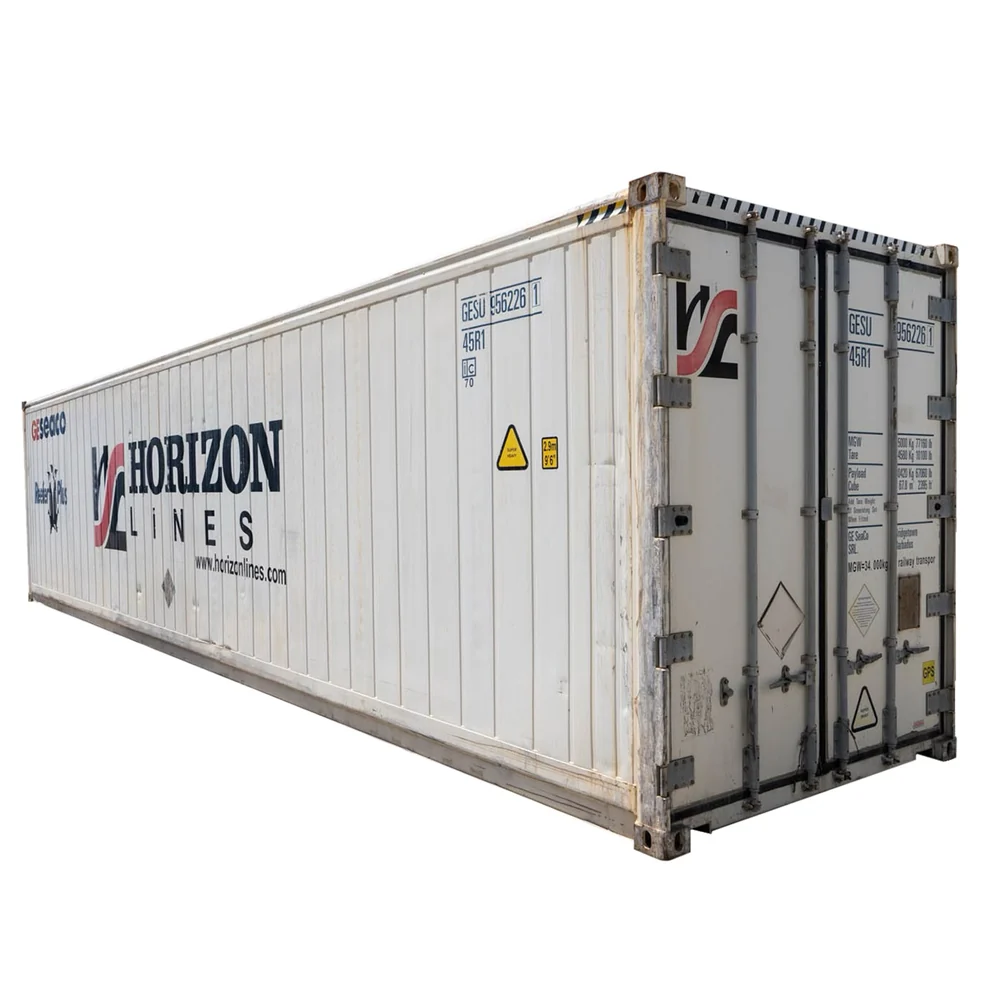
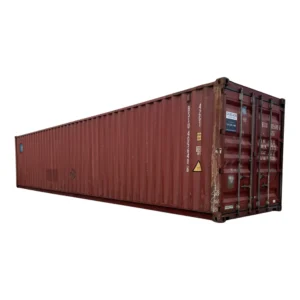
The 40ft Refrigerated Container for Sale gives businesses a practical solution for temperature-controlled storage, cold-chain operations, food handling, and commercial refrigeration needs. Its High Cube design adds extra internal height, giving users more usable storage capacity than a standard-height refrigerated unit.
This container suits food distributors, restaurants, farms, supermarkets, beverage companies, seafood suppliers, warehouses, logistics businesses, and industrial operations that need dependable refrigerated space.
High Cube Design
The 40ft High Cube Reefer Container measures approximately 40 feet long, 8 feet wide, and 9 feet 6 inches high externally. Its insulated construction helps maintain controlled internal temperatures during storage and transport.
Typical units use stainless-steel or aluminum interior surfaces with insulated walls and specialized flooring that supports proper airflow. Refrigeration machinery may include brands such as Carrier or Thermo King, depending on available stock.
Specifications
| Specification | Details |
|---|---|
| Container Type | High Cube Refrigerated Container |
| Length | 40 ft |
| Width | 8 ft |
| Exterior Height | 9 ft 6 in |
| Condition | Used |
| Approx. Capacity | 67–68 m³ |
| Interior | Insulated, commercial-grade |
| Refrigeration | Electric reefer unit |
| Common Uses | Food, beverage, produce, cold storage |
Temperature Control
A Used Refrigerated Shipping Container can support chilled and frozen storage when the refrigeration system operates correctly. Typical 40ft reefer units can maintain temperatures within broad ranges depending on the installed machinery and operating conditions. Some used units support approximately -25°C to +25°C, while other modern configurations may reach around -30°C to +30°C.
Buyers should always confirm the installed refrigeration unit, voltage, refrigerant, and tested temperature range before purchase.
Commercial Uses
This 40ft Refrigerated Container for Sale works well for cold storage, food processing, produce, seafood, dairy products, beverages, floral products, and other temperature-sensitive goods.
Used units may show cosmetic wear such as scratches, dents, faded paint, or surface marks from previous service. Always review condition details before ordering.
Worldwide Container Supply offers refrigerated container solutions for commercial and industrial buyers. Contact us for availability, refrigeration specifications, condition, pricing, photographs, delivery costs, and international shipping options.



Alejandro Castillo –
When considering a used refrigerated container, I would place equal importance on product condition and the quality of the supplier’s communication. The 40-foot high-cube design offers generous storage capacity, but its practical value depends on the refrigeration equipment working as required and the container being suitable for the intended environment. Worldwide Container Supply provides an opportunity to discuss these requirements and request more information about the available unit. I would want the details to cover the internal dimensions, refrigeration system, electrical needs, insulation, and any known maintenance concerns. Clear explanations of order handling and delivery arrangements would also help me plan the purchase and prepare the receiving site. Transport access, unloading equipment, and final positioning all need to be considered before dispatch. Since used containers differ in condition, I would request current photographs, inspection findings, and available service records before making a decision. Confirming these details in advance helps establish realistic expectations and reduces the risk of surprises after arrival.
Declan Murphy –
Choosing a used refrigerated container requires balancing available storage space, equipment condition, and operating requirements. The 40-foot high-cube format can be useful when additional capacity is needed, but the refrigeration system must be suitable for the intended products and storage conditions. When making inquiries through Worldwide Container Supply, I would want the product details presented clearly, especially information about the cooling machinery, insulation, electrical connections, and current condition. I also appreciate a purchasing process that explains the required steps and provides a clear point of contact for questions. Delivery planning is just as important as selecting the container itself. Customers should confirm transport arrangements, site access, unloading equipment, and the space needed to position the unit safely. Before committing to a purchase, I would ask whether the refrigeration system has been tested under operating conditions and whether maintenance records are available. Checking these points can help buyers avoid unexpected complications after delivery.
Camille Rousseau –
When sourcing used commercial equipment, I believe transparency is one of the most important parts of the buying process. A refrigerated container may look suitable externally, but its operating condition and technical capabilities need to be checked carefully. Worldwide Container Supply provides a contact point for discussing a 40-foot high-cube used refrigerated container and asking about its specifications. I would want clear answers about the refrigeration unit, electrical supply, internal space, temperature settings, and any known defects or maintenance requirements. Having this information in advance makes it easier to assess the equipment against a business’s actual needs. I would also expect clear communication about order processing and delivery coordination, since moving a container requires planning at both ends of the journey. The receiving site should be prepared before transportation is scheduled. My recommendation is to request the available inspection information and confirm any warranty terms in writing before purchase. A careful approach helps customers set realistic expectations.
Elias Schneider –
For a business that needs extra refrigerated storage, a 40-foot high-cube container may offer useful space without requiring a permanent building extension. However, the refrigeration equipment must be appropriate for the goods being stored. When discussing a unit with Worldwide Container Supply, I would focus on the available technical specifications, the condition of the cooling machinery, and the insulation and door seals. These details are important for understanding whether the container can meet the required storage conditions. I also value a well-organized inquiry process in which questions are answered clearly and customers understand what happens after submitting an order. Delivery should be discussed early, including the destination, site access, unloading arrangements, and any transport limitations. Since this is used equipment, I would request information about inspection results and maintenance history wherever available. Taking the time to verify these details helps buyers compare options realistically and select equipment that fits their operational needs.
Mei Lin Chen –
For businesses handling chilled or frozen goods, the condition of a refrigerated container deserves careful attention. A used 40-foot high-cube unit can provide substantial storage space, but suitability depends on the refrigeration system, insulation, and the temperature requirements of the products involved. When evaluating Worldwide Container Supply, I would look for clear communication about the unit’s specifications and an opportunity to ask detailed questions before placing an order. Information about the refrigeration machinery’s condition, service history, power requirements, and inspection status would be particularly useful. I would also want the ordering process explained clearly, including payment arrangements, dispatch expectations, and delivery coordination. A container of this size requires suitable access and preparation at the destination, so these details should be confirmed in advance. Buyers should also verify the unit’s ability to maintain their required temperature rather than assuming every refrigerated container is appropriate for every application. Careful verification supports better planning and more informed purchasing decisions.
Harrison Blake –
When looking for a used refrigerated container, having access to clear product information is essential. I would want to understand the condition of the refrigeration machinery, the insulation, and the container structure before deciding whether it meets my requirements. Worldwide Container Supply provides a starting point for discussing these details and asking questions about the available equipment. I appreciate a customer service approach that explains the important specifications without making the process unnecessarily complicated. For a 40-foot high-cube refrigerated container, I would also want confirmation of the internal dimensions, electrical requirements, and expected operating temperature range. The ordering process should make the next steps clear, including any documentation needed before dispatch. Delivery coordination is another important consideration because a large container requires suitable access and unloading arrangements. Before purchasing a used unit, I would recommend requesting available maintenance records and confirmation of its current operating condition. These checks help buyers make a more informed decision.
Natalia Kowalska –
A used refrigerated container can be an option for businesses seeking additional temperature-controlled storage, provided the equipment is suitable for the intended application. When evaluating a supplier, I look for straightforward communication, detailed product information, and a clearly explained ordering process. Worldwide Container Supply offers an opportunity to discuss the available container and clarify important questions before proceeding. I would particularly want to know whether the refrigeration system has been tested, what temperature range it supports, and whether any maintenance or repairs have been documented. Understanding the container’s overall condition is important because used equipment can vary significantly. I would also appreciate clear information about delivery arrangements, expected costs, and what preparations the receiving site needs. These practical details help customers plan the purchase more effectively. My advice to anyone considering this type of equipment is to confirm the specific unit’s condition and operating capabilities rather than relying on its category alone. Good preparation makes the purchasing process easier to manage.