

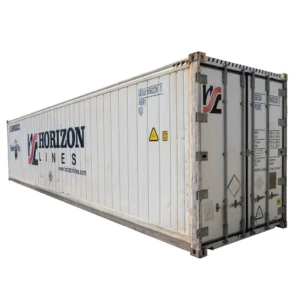
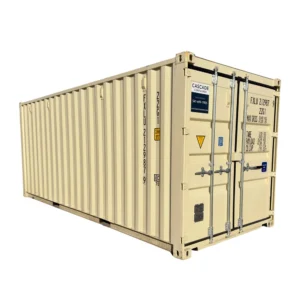
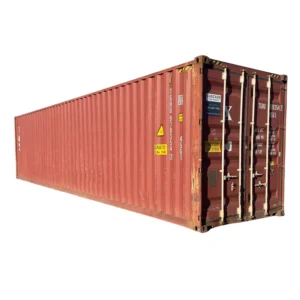
The Cargo Worthy Container provides businesses with a dependable option for international freight, commercial storage, logistics operations, and industrial projects. Its heavy-duty steel structure offers the strength needed to handle demanding cargo applications while providing generous interior space for machinery, equipment, inventory, building materials, and packaged products.
Cargo worthy classification generally means the unit has the structural condition required for cargo transportation, subject to inspection, valid certification, and shipping requirements.
Standard Dimensions
This 40ft unit typically measures approximately 40 feet long, 8 feet wide, and 8 feet 6 inches high externally.
Its standard dimensions make it suitable for common container handling equipment, trailers, depots, terminals, and logistics operations.
Specifications
| Feature | Details |
|---|---|
| Length | Approx. 40 ft |
| Width | Approx. 8 ft |
| Height | Approx. 8 ft 6 in |
| Condition | Used |
| Grade | Cargo Worthy |
| Construction | Heavy-Duty Steel |
| Doors | Double Cargo Doors |
| Main Use | Freight and Storage |
| Delivery | Based on Destination |
Freight Use
The Cargo Worthy Container suits exporters, freight companies, manufacturers, logistics operators, warehouses, construction businesses, and organizations that need dependable transport equipment.
Its large interior supports palletized goods, raw materials, machinery, tools, commercial stock, equipment, and general freight.
Storage Applications
A Used Export Container can also serve as secure static storage at warehouses, factories, farms, construction sites, commercial yards, and industrial facilities.
Used units may show normal service marks such as dents, scratches, patches, faded paint, or surface rust. These cosmetic signs remain common on containers that have completed previous shipping cycles.
Reliable Value
A Standard Freight Unit provides practical value for customers who need durable storage or transportation without paying for a new container.
Worldwide Container Supply offers dependable 40ft units for freight, commercial, industrial, and storage applications. Contact us for current availability, photographs, inspection status, certification details, exact condition, pricing, transportation costs, and worldwide delivery options.



Saskia Vermeer –
Choosing the right container begins with understanding what it will be used for and confirming that the available unit is suitable. A standard-height cargo-worthy used shipping container may work well for a range of storage needs, while transport applications require confirmation that the unit meets the relevant requirements. When contacting Worldwide Container Supply, I would want accurate details about the container’s condition, including its floor, doors, roof, and structural components. I would also ask about any known defects, previous repairs, and available inspection records. Clear communication throughout the inquiry and ordering process helps customers make decisions without relying on assumptions. Delivery arrangements should be discussed early so that the receiving site can be prepared for transportation and unloading. Before proceeding, I would recommend reviewing current photographs and verifying the container’s condition and cargo-worthy status. These practical checks make it easier to compare options and select a unit that matches the intended purpose.
Owen Gallagher –
When sourcing used container equipment, clear information about the unit’s condition is essential. A 40-foot standard cargo-worthy container can provide useful space for general storage and may be suitable for cargo transport when it meets the applicable inspection requirements. My priority when discussing the product with Worldwide Container Supply would be understanding its structural condition, the state of the doors and flooring, and any repairs that may have been carried out. I would also want clarification of the cargo-worthy classification and what documentation is available. Professional communication makes the process easier to navigate, particularly when comparing different used units. Delivery coordination deserves equal attention, since the receiving location must have sufficient space and suitable access for unloading. Before placing an order, I would request recent photographs and verify the container’s condition against the intended use. A careful review of these details helps buyers set realistic expectations and choose equipment that fits their requirements.
Lachlan O’Connor –
For a business seeking additional storage, a standard-height used container can offer a straightforward solution without requiring a permanent building. The cargo-worthy designation can also be relevant when the container is intended for transport, provided its condition and documentation meet the applicable requirements. When evaluating Worldwide Container Supply, I would focus on receiving clear product information and having the opportunity to ask questions about the specific unit. Details about structural integrity, door seals, flooring, corrosion, and previous repairs are important when assessing used equipment. I would also want the ordering process explained clearly, with realistic expectations for dispatch and delivery. Since the container must be transported and unloaded safely, buyers should confirm site access, placement arrangements, and any equipment needed at the destination. Requesting current photographs and relevant inspection documentation before purchase is a sensible precaution. Good preparation helps customers understand the condition of the container and coordinate the next steps more effectively.
Emilia Rossi –
When purchasing a used shipping container, I would look for clear answers about its condition, intended use, and delivery requirements. A 40-foot standard cargo-worthy container can provide practical storage capacity, but its suitability for cargo transport should be confirmed through the relevant inspection and documentation. Worldwide Container Supply offers a starting point for discussing the available unit and clarifying the specifications before ordering. I would particularly want information about the roof, flooring, doors, corner castings, and any visible structural wear. A straightforward ordering process is equally important, as customers should understand the steps involved before dispatch and know how delivery will be coordinated. Planning the destination in advance helps ensure there is sufficient access and a suitable area for unloading and positioning the container. Before committing to a purchase, I would review recent photographs and ask about any known defects or limitations. These checks help establish realistic expectations and support a more informed decision.
Amélie Laurent –
For businesses that need a dependable storage option, a standard-height used shipping container can be a practical choice when its condition matches the intended use. When evaluating a cargo-worthy unit, I would pay attention to the container’s structural integrity, door operation, floor condition, and any signs of corrosion or damage. Worldwide Container Supply offers an opportunity to ask questions about the available container and clarify the product details before ordering. I appreciate clear communication that helps customers understand what is included and what still needs to be confirmed. The ordering process should also explain delivery arrangements and any preparations required at the destination. A container of this size needs suitable access and an appropriate unloading plan, especially when delivery is to a business site. I would recommend requesting current photographs and confirming the inspection status if the container is intended for cargo transport. These checks help customers assess their options and make a more informed purchasing decision.
Bennett Shaw –
When considering a standard-height cargo-worthy used shipping container, I would look for a balance of practical storage space, structural condition, and clear product information. Worldwide Container Supply provides a starting point for discussing the available container and understanding its suitability for a particular application. I would want details about the doors, flooring, roof, corner castings, and any visible signs of wear or previous repairs. The cargo-worthy classification is particularly important if the container may be used for shipping, so I would ask about the relevant inspection records and documentation before making a decision. I also value an ordering process that explains the next steps clearly, from confirming the unit to arranging transportation. Delivery planning should include site access, unloading equipment, and the intended placement area. Reviewing photographs and verifying the condition of the specific unit can help buyers make an informed choice and prepare for delivery without unnecessary uncertainty.
Yuki Nakamura –
A used shipping container can be a useful investment for additional storage, but the condition of the individual unit should always be checked carefully. For a standard-height cargo-worthy container, I would want to understand the condition of the frame, roof, floor, doors, locking mechanisms, and corner castings. These details help establish whether the container is suitable for the planned application. Worldwide Container Supply provides a point of contact for discussing the available product and asking questions before committing to an order. I value a clear explanation of the ordering process, including the information needed to confirm the purchase and the steps involved in arranging delivery. Transport planning is especially important when the destination has limited access or requires special unloading equipment. If the container is intended for shipping, I would also verify its inspection status and any relevant documentation. Checking these details in advance helps buyers understand what they are purchasing and plan the delivery more effectively.