
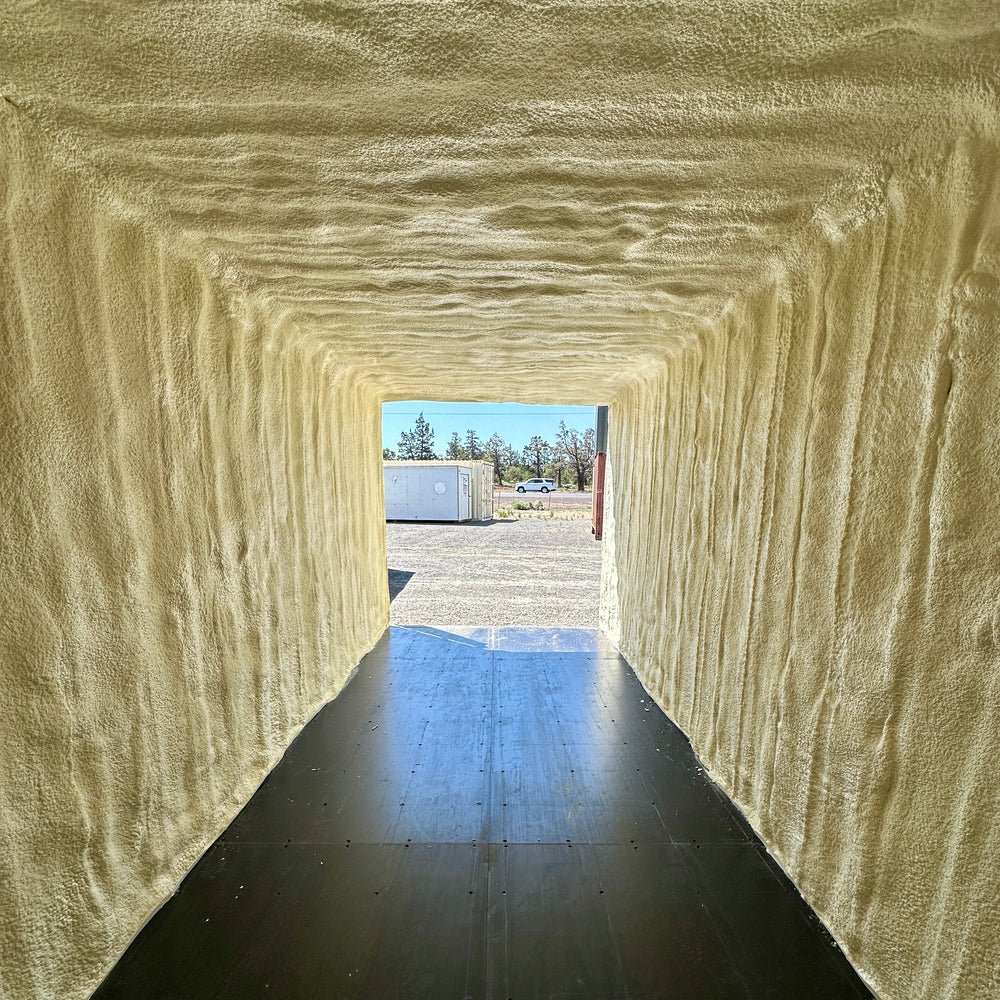
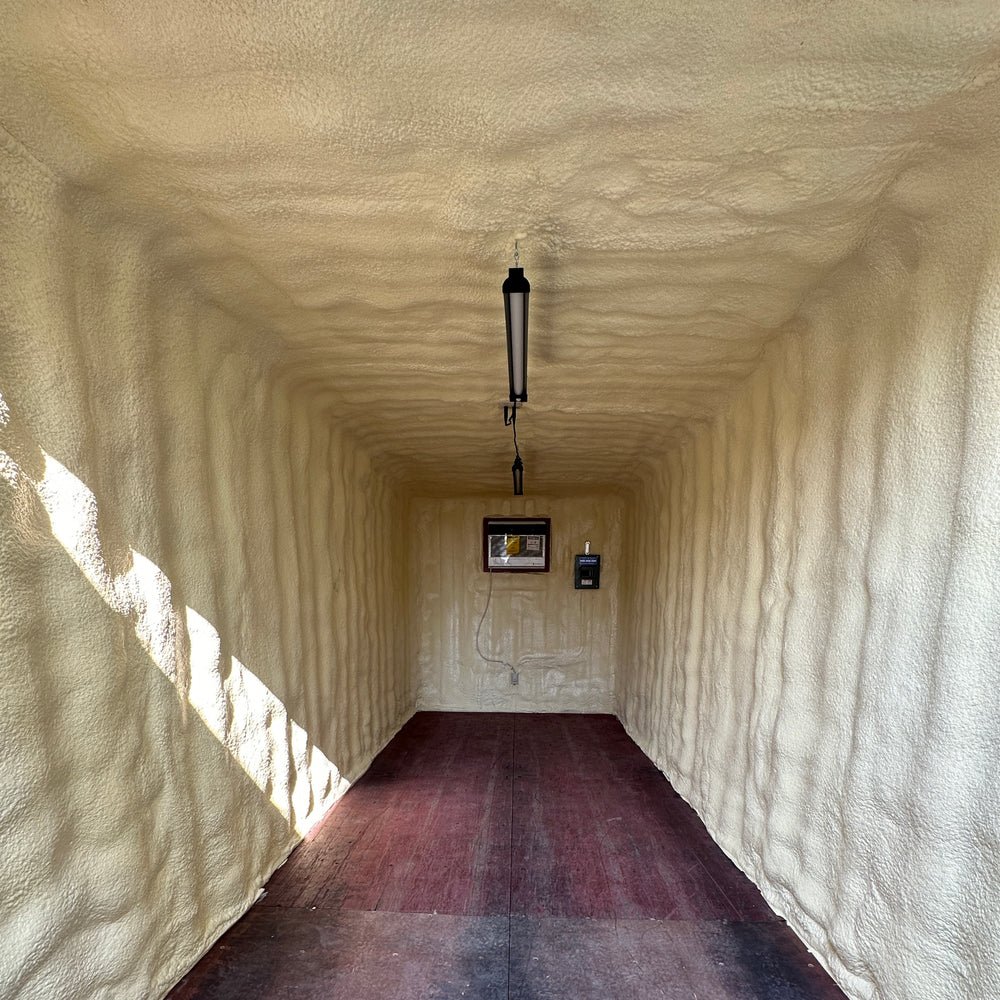
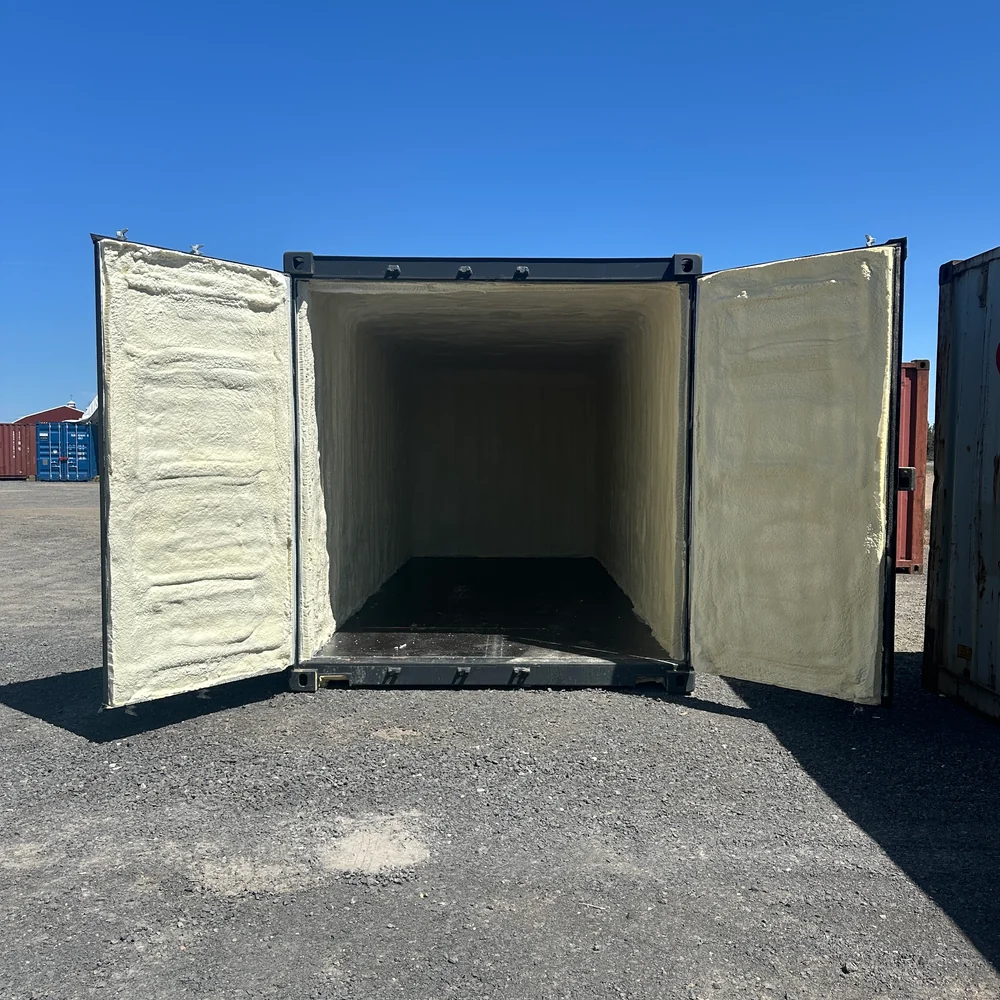
Closed Cell Spray Foam provides strong thermal insulation, air sealing, and moisture resistance for residential, commercial, industrial, and modular construction projects. Its dense cellular structure helps reduce heat transfer while creating a continuous barrier around gaps, cracks, joints, and difficult-to-reach areas.
The material expands after application and bonds directly to suitable surfaces, helping create a tight building envelope with fewer air leaks.
Strong Thermal Value
Closed-cell polyurethane foam typically delivers around R-6 per inch, although exact performance varies by formulation and manufacturer. Its high insulation value allows builders to achieve strong thermal performance without using excessive wall or roof cavity depth.
Key Benefits
| Feature | Details |
|---|---|
| Insulation Type | Closed-Cell Spray Foam |
| Typical R-Value | Around R-6 per inch |
| Cell Structure | More than 90% closed |
| Air Sealing | Excellent |
| Moisture Resistance | High |
| Vapor Control | Strong at suitable thickness |
| Density | Approx. 2 lb/ft³ typical |
| Main Uses | Walls, roofs, floors, containers |
| Application | Professional spray installation |
Air and Moisture Control
Closed Cell Spray Foam acts as an effective air barrier when installers apply it correctly. Its dense structure also gives it greater resistance to bulk water and vapor than open-cell alternatives. At suitable thicknesses, closed-cell foam can function as a vapor retarder.
A Moisture Resistant Foam can help protect building assemblies in areas where humidity, condensation, or water exposure may create problems.
Structural Rigidity
A High R Value Insulation system also adds rigidity because cured closed-cell foam remains dense and difficult to compress. Building research has found that it can improve the racking strength of framed wall assemblies in some applications.
Flexible Applications
An Air Sealing Insulation system works well for exterior walls, roofs, crawl spaces, basements, floors, metal buildings, shipping containers, workshops, and other spaces that need strong thermal protection.
Worldwide Container Supply offers insulation solutions for modular buildings, container conversions, construction projects, and industrial applications. Contact us for product specifications, coverage, application requirements, pricing, quantities, and delivery options.



Freja Holmgaard –
Closed cell spray foam insulation may be useful for container offices, modular buildings, and other structures where controlling heat transfer is a priority. I would begin by identifying the intended use of the space and asking which insulation specification is appropriate for its climate and occupancy requirements. Details such as application thickness, thermal resistance, moisture management, and compatibility with the metal structure should be clearly documented. I would also want to understand the installation schedule, ventilation precautions, and preparation required before the work begins. Coordinating insulation with electrical installations and interior finishing can help prevent unnecessary rework. A clear quotation outlining materials, labor, coverage, and warranty conditions would make it easier to evaluate the proposed solution.
Samuel Prescott –
When considering closed cell spray foam insulation for a container conversion project, I would want clear information about the insulation’s thermal performance, application process, and suitability for the container’s intended use. Moisture control is particularly important in metal structures, so I would also ask about surface preparation, condensation management, and the recommended application thickness. The customer service process should make it easy to understand the available options and identify any additional work required before installation. I would appreciate receiving clear specifications and realistic information about scheduling. Before proceeding, I would confirm the scope of work, expected coverage, and any warranty conditions. Careful planning helps ensure the insulation solution is appropriate for the building and its environment.
Claire Fontaine –
When planning insulation for a metal container, I would pay close attention to heat transfer and the risk of condensation. Closed cell spray foam can be a suitable option in some applications, but the right specification depends on the building design, climate, and installation details. I would ask for clear information about thermal resistance, application thickness, surface preparation, and compatibility with the intended interior finish. It is also important to understand the ventilation and safety measures required during installation, as well as the time needed before the space can be occupied. A detailed quotation should explain the coverage area and work included. Confirming these points in advance helps make the project more predictable and supports a better-informed decision.
Matteo Galli –
I would investigate closed cell spray foam insulation for a container conversion where temperature control and efficient use of interior space are important. Before committing, I would want to know the insulation’s specified thermal performance, proposed thickness, expected coverage, and suitability for the container’s existing condition. The installation process deserves equal attention, particularly cleaning and preparing the metal surfaces and assessing any existing corrosion or moisture problems. I would also ask how the work will be coordinated with electrical wiring, ventilation, and interior wall finishes. Clear communication about materials, scheduling, and warranty provisions makes it easier to plan the project. A properly specified and professionally installed insulation system can contribute to a more comfortable interior, although results depend on the complete building design.
Blake Harrington –
For a container intended to serve as a workshop or usable indoor space, insulation can make a meaningful difference to comfort and temperature management. I would consider closed cell spray foam after checking the building’s intended use, local climate, and ventilation requirements. Important questions include the recommended application thickness, thermal performance, compatibility with the container structure, and measures for managing moisture. I would also want the installer to explain the preparation process and how the work area will be protected during application. Written details about coverage, project timing, and warranty terms would help me understand what to expect. Good planning is essential because insulation needs to work alongside the container’s ventilation, electrical systems, and interior finishing.
Anouk Visser –
Closed cell spray foam insulation is worth considering when improving the thermal envelope of a shipping container or modular building. Before choosing a solution, I would want to understand its expected insulation performance, moisture resistance, and compatibility with the container’s metal surfaces. Proper installation is just as important as the material itself, including surface preparation, ventilation during application, and attention to potential condensation issues. I would also ask for details about the proposed thickness, coverage area, and the preparation work included in the service. Clear communication about the project schedule and application requirements helps customers plan around other construction tasks. Reviewing these details beforehand makes it easier to compare options and establish realistic expectations for the finished space.
Miguel Ortega –
For a shipping container being adapted into a functional indoor space, insulation needs to be selected with both comfort and moisture management in mind. Closed cell spray foam is an option I would explore after reviewing the container’s condition, intended use, and local building requirements. I would ask for the proposed thickness, thermal performance, surface preparation procedure, and details of how the installation will accommodate ventilation and electrical components. Safety during application is another important consideration, including appropriate protective measures and the required curing period before occupancy. I would also expect a clear explanation of the work included, project timing, and warranty coverage. Confirming these details before installation helps establish realistic expectations and supports a well-planned container conversion.